
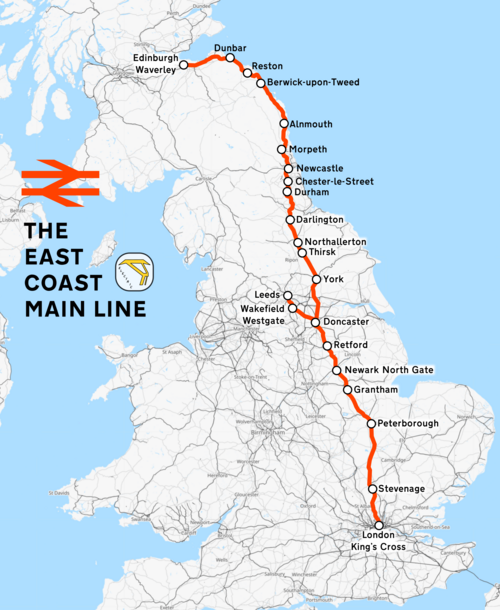
The East Coast Mainline is arguably the UK’s most famous railway route, though like it’s companion (the West Coast Mainline), it is also arguably not accurately named. You see, most of the route goes nowhere near the east coast! Still, the name has stuck, and there’s no changing it now!
The core route runs from King’s Cross in London, to Edinburgh Waverley, and like most UK routes it was built in stages by different companies with different agendas, albeit there was the hope that the three individual segments would be linked. Constructed between 1830 and 1850, once finished, it was possible to convey passengers in relative comfort all the way from London to Edinburgh, at a pace that far exceeded the horse-drawn carriages of the era.
The Early Years
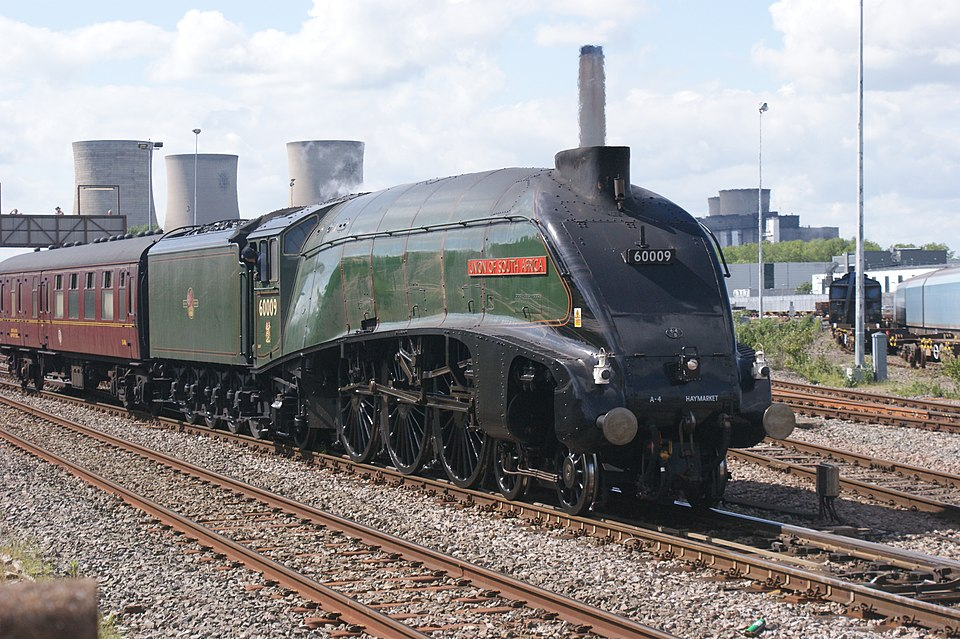
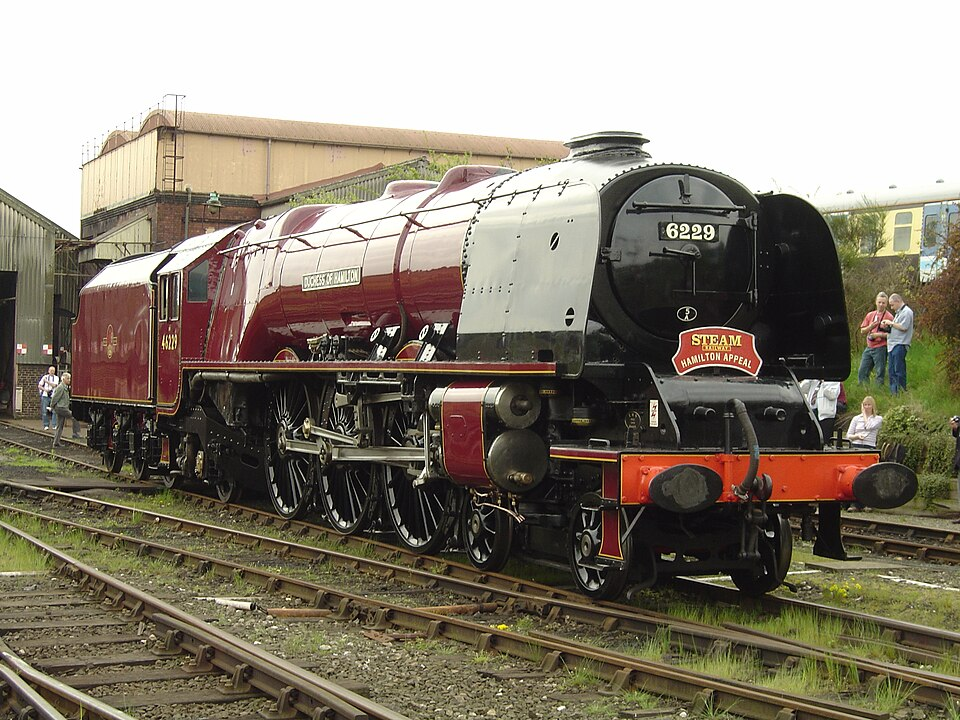
The ECML was often in competition with other lines, especially the WCML, over getting passengers to Scotland in as much comfort, and as short a time, as possible. During the 19th Century train companies on both lines would unofficially race their trains against one another, a practice curtailed over safety concerns, though not for long; the idea would resume in the 1930s, pitting the beautiful A3 and A4 steam engines on the ECML against the equally gorgeous Coronation Class trains on the WCML.
Modernisation
In the wake of World War II, and the advent of British Rail, steam was gradually replaced by more powerful (albeit more polluting) diesel trains, and the ECML would see some iconic locos take to the rails. Class 55 Deltic engines took on the job of hauling express services during the 1960s, but the arrival of the Intercity 125 project would reinvigorate interest in the railways, in the form of the Class 43-hauled express trains, offering new levels of speed and reliability.
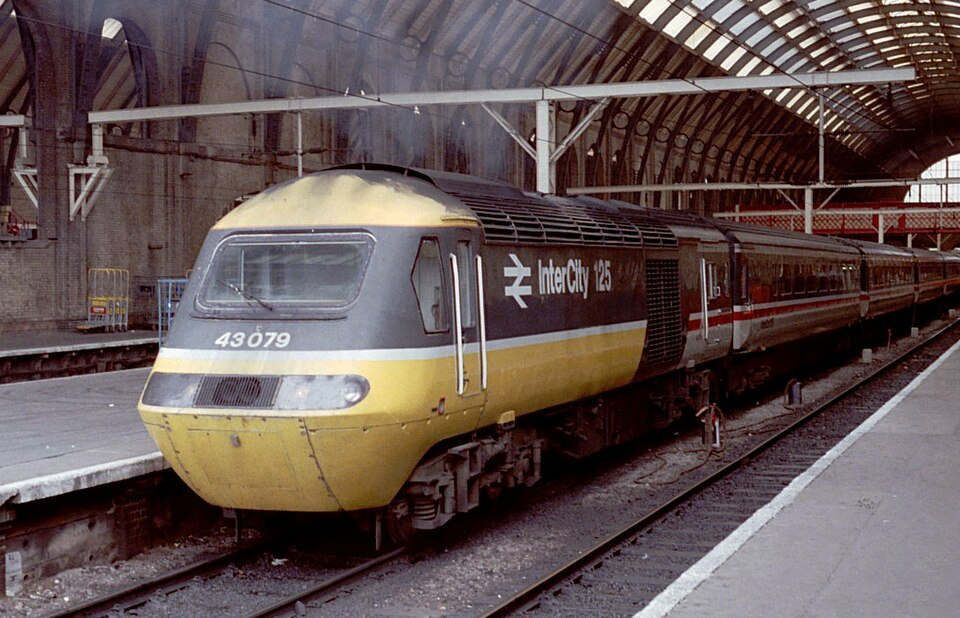
These services, starting in the late 70s, shortened the journey times between London and Edinburgh, but British Rail weren’t done. The desire to electrify the line had existed for many years, but it took many years to carry out the work, which was finally finished in 1991. This enabled the Intercity 225 programme to take shape, involving the Class 91s, which are a personal favourite of mine.
Personal Experiences
Enough history. What does the ECML mean to this meerkat? Well, it was my first rodeo, so to speak. It was via Stevenage that I would board trains to London (and on very rare occasions, the opposite direction). I didn’t usually end up on express services, though express trains would serve Stevenage from time to time. Still, I had some quaint journeys on local services, to and from the Big Smoke.
Once, many moons ago, I travelled with my parents from Stevenage to Edinburgh, so technically, I’ve travelled the entire length of the ECML. I’d like to do it again, and if I could, I’d love to do it first class. I have no idea how I’d make that happen! Ironically, my three longest train rides since moving to Essex have involved the ECML (in terms of sheer distance at least), with two work trips to Doncaster and one to Wakefield Westgate (which is on a branch off the mainline).
For a few years, I’d travel between Stevenage and Essex, and I dare say I could have completed that particular journey in my sleep! It was always quite pleasant to voyage into and out of King’s Cross, owing to the grandeur and history of the place. I’ve always appreciated any little journey across the ECML, even the short stints!
Glorious Sights
The ECML hosts some incredibly scenic views. One of its most famous sights is not far from London, and it represents Victorian ingenuity, not to mention the architectural grace of the period.
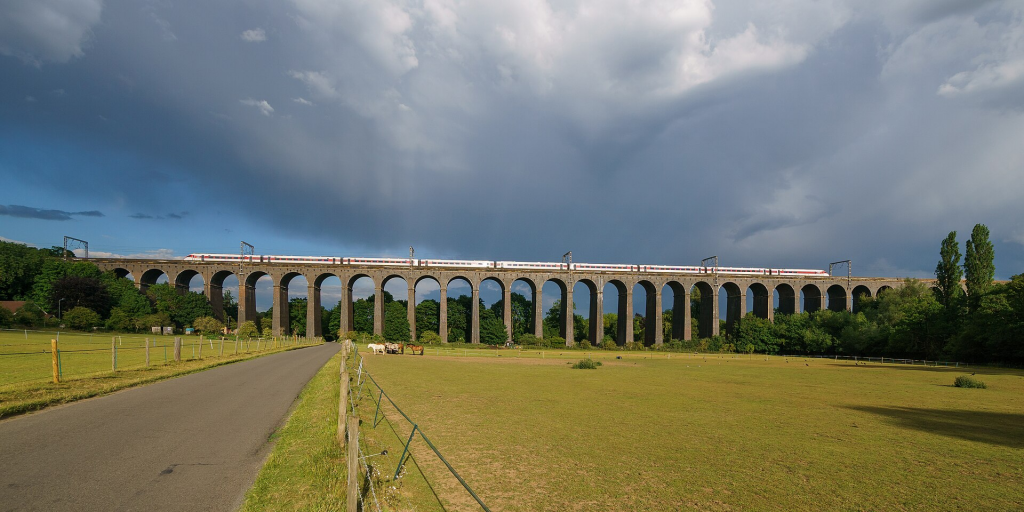
The Digswell Viaduct, located between Welwyn Garden City and Welwyn North stations, was designed by father and son duo William and Joseph Cubitt, and engineered by one Thomas Brassey. It opened in 1850, and has carried trains across the valley ever since. One particularly famous story alleges how Queen Victoria, taking the train to the north, refused to cross the viaduct via train, and got off at the south end, where a horse and carriage took her to meet the train at the other end. This story is likely fictional, an urban legend if you will.
The viaduct, whilst beautiful, and a testament to Victorian work, is also a big problem for the ECML. It is a bottleneck, where the quadruple-track line condenses to two tracks, thus limiting capacity. It’s not the only element creating this issue (Welwyn North is a two-track station, and there are a couple of tunnels just beyond the station), but it may be the hardest one to overcome without damaging a priceless piece of history. It would also be expensive, which explains why the idea periodically comes up, and goes away again.
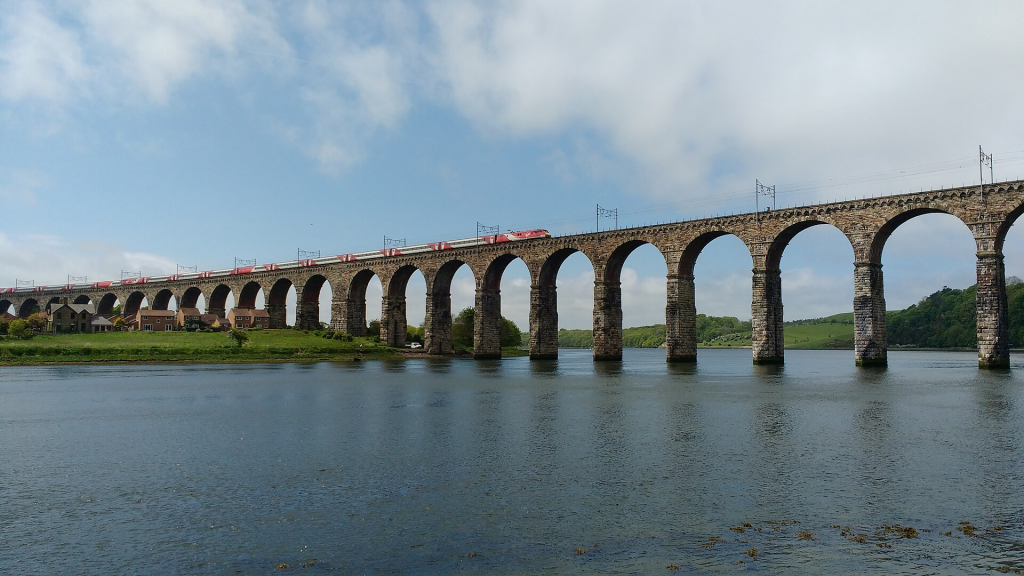
As the name implies, the Royal Border Bridge is near a border! This enormous bridge was built between 1847 and 1850, and was designed by Robert Stephenson, the son of railway pioneer George Stephenson. It spans the River Tweed, just to the south of Berwick-upon-Tweed, a few miles from the English/Scottish border.
With 28 arches, it really is a labour of love, an absolute beauty of a bridge. As such, during electrification of the ECML, great care was taken to make sure the overhead power supply did not obscure the Bridge.
I could go on at length about the East Coast Mainline. It has earned its place in the pantheon of the railways, not just in the UK but as a global symbol of the golden era of the railways. It is a vital link between numerous British cities. It serves local communities. The nation – and my life – would not be the same without it!
Back to The Meerkat of Trains!


Be First to Comment